


Operation Avian
Training the next generation of Indian wildlife professionals
We have worked with animal rescue organisations in India for over a decade to help build veterinary capacity in avian medicine.
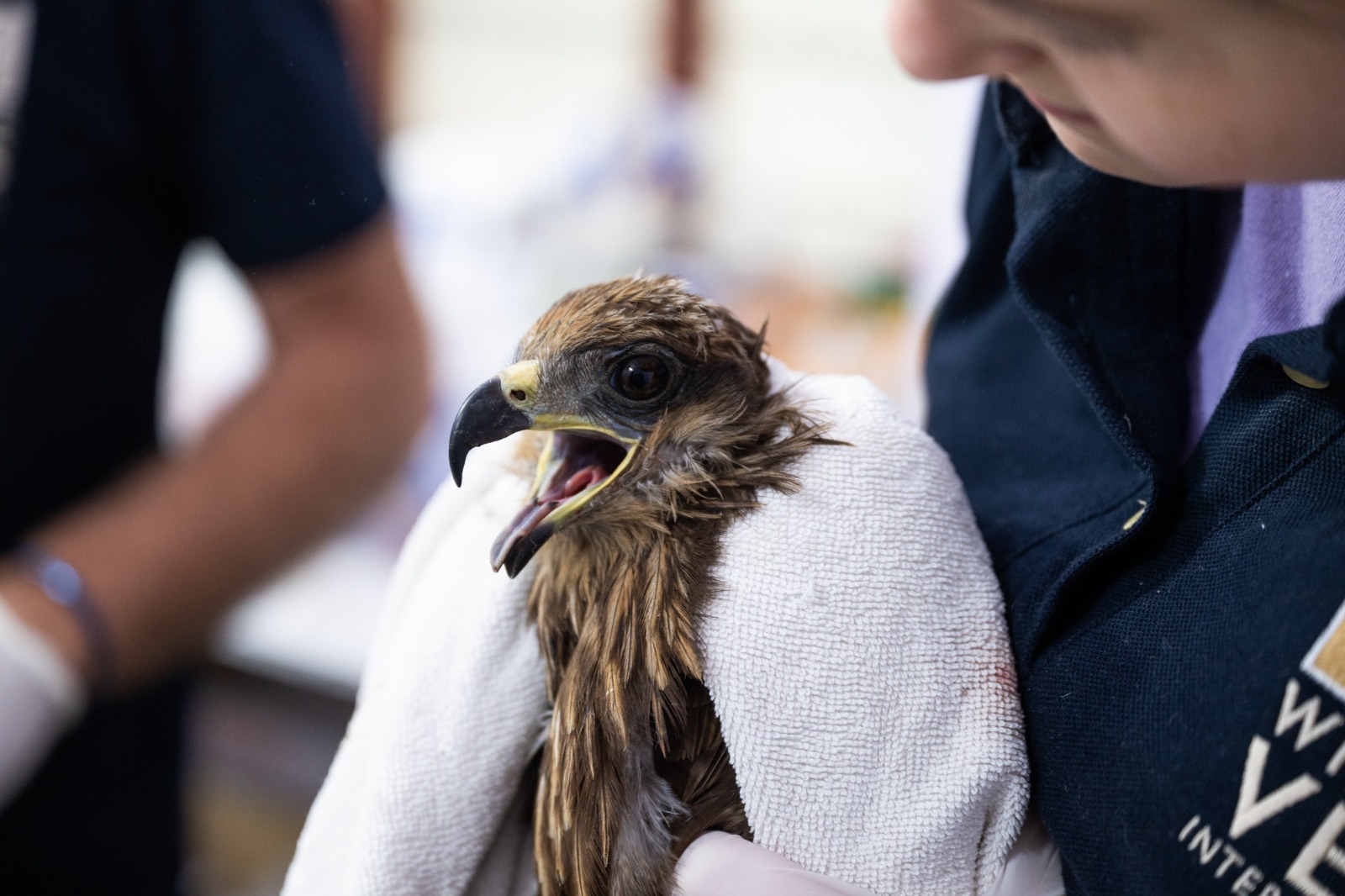
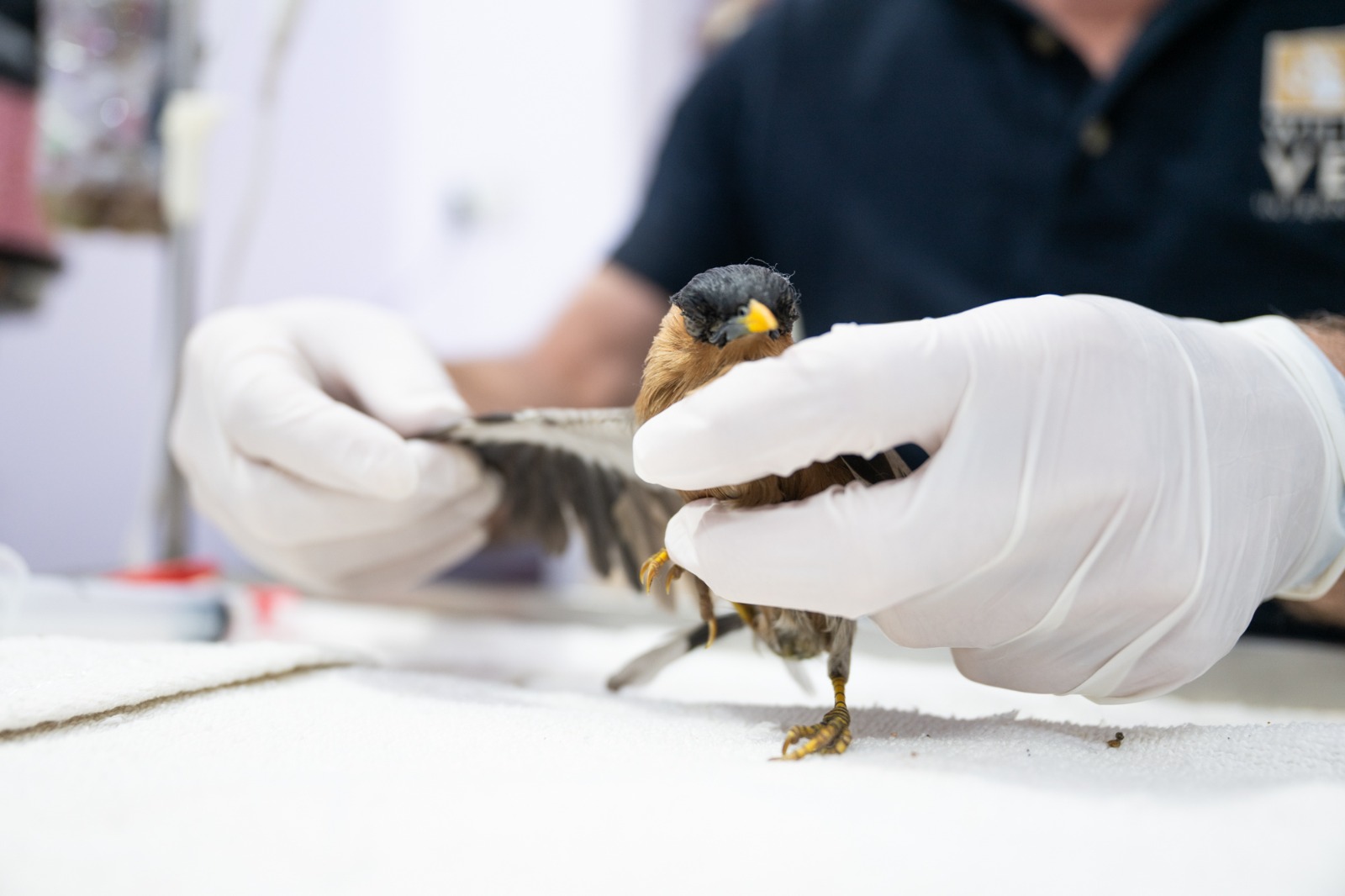
In collaboration with our Indian partners, RAKSHA Jaipur, we have established an annual conference and practical training for vets, rehabilitators and volunteers involved in rescuing birds injured by glass-coated kite string during the annual kite-flying festival. By equipping local wildlife health professionals with better knowledge and skills we are making sure that any endangered birds they encounter have the best chance of survival and return to the wild.
Project in numbers
Over 14 years of hands-on and remote support provided to vets and rehabilitators from across India.
By 2024, Operation Avian was training over 100 wildlife health professionals from across India every year.
While vulture numbers plummeted by up to 99% in India during the 1990s¹, concerted conservation efforts, including better veterinary care, mean their numbers are slowly recovering.
¹(Prakash et al. 2007)
A wide range of Indian bird species, including:
2012–2019: Jivdaya Charitable Trust
2020–2026: RAKSHA Jaipur
Every year, tens of thousands of birds (and other small animals) are injured or killed by glass-coated kite string, or manja, which has been carelessly discarded by people taking part in the annual kite-flying competitions that are part of the Uttarayan festival, marking the end of winter. Intensive public information campaigns have improved the situation, but our partners at RAKSHA Jaipur still see hundreds of birds a week, including endangered species, coming into their roadside camp and main clinic during and after the height of the festival in January. At the same time, access to relevant avian health expertise and training for those running and volunteering at the clinic, was initially very limited.
Through our work supporting the RAKSHA team each January since 2022, and with Jivdaya Charitable Trust before that, it became clear that there was a great need to roll out support and training to a wider pool of vets and rehabilitators, in order to further disseminate expertise to areas where rescuers were more likely to encounter highly threatened species, e.g. in the vicinity of captive vulture breeding centres.
Vultures, in particular, experienced a catastrophic decline in the 1990s, with populations of some species dropping by as much as 99%, as a result of inadvertent poisoning with the NSAID, diclofenac. The loss of their scavenging activities resulted in a sharp increase in feral dog populations, and even increased human death numbers from diseases like rabies (Frank and Sudarshan, 2024), as well as from other ecologically-related issues.
Vulture numbers are now slowly increasing, but they need all the help they can get to re-establish their place in the ecological system. Part of that means making sure that any sick or injured birds get the best treatment possible in order to maximise their chances of returning to the wild.
What we made possible
What success looks like
After collaborating with Raksha Jaipur on an annual Operation Avian conference and hands-on workshops for five years, from 2022-2026, Raksha is now in a strong position to run Operation Avian 2026 independently, although we are always available for remote advice. We look forward to seeing Operation Avian Jaipur go from strength to strength and continuing to train wildlife health professionals and volunteers from across India and beyond. By increasing the knowledge and skills needed to treat endangered species like vultures, Operation Avian is able to be part of the bigger picture of vulture numbers recovery, while also contributing to the successful treatment of many other bird species.
How we did this
Our approach
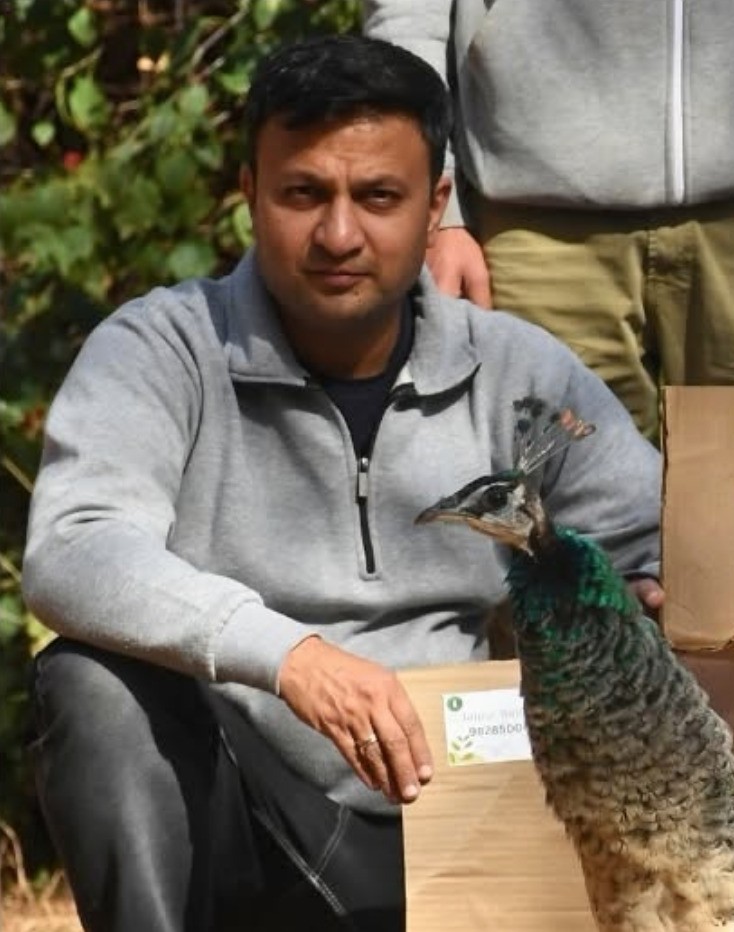
We have thoroughly enjoyed working with WVI to establish the annual Operation Avian conference and practical training, and are looking forward very much to taking this forward independently in 2027. Matthew and his team have provided invaluable professional input and support, as well as friendship, and as a result many local vets and rehabilitators are in a stronger position to save and release the birds they encounter. We look forward to future collaborations!
Stay in touch
Get news from our projects and the people using veterinary science to protect wildlife.
