


Pioneering Sea Turtle Rescue in the United Kingdom
We want to make sure that people who find, rescue and rehabilitate cold-stunned turtles washing up on British beaches have the knowledge they need to help these very sick animals.
We will do this by developing guidance for vets and rehabilitators, alongside delivering an events programme directed at coastal communities, including local aquarium staff, wildlife health professionals and volunteers.
Project in numbers
Marine Environmental Monitoring
SeaLife Brighton
The Deep
University of Liverpool
* Green turtle numbers are decreasing in the north Atlantic, but increasing in the Mediterranean, thanks to a lot of beach conservation work.
Sea turtles are vital to healthy ocean ecosystems but face ever increasing threats species such as loggerhead turtles are not typically found in UK waters but are increasingly being pushed beyond their normal range by changing ocean currents thought to be linked to climate change.
When temperatures drop below 10°C sea turtles are particularly vulnerable to ‘cold-stunning’ – where they become lethargic, drift ashore and risk death, in the absence of rapid intervention. This problem continues to grow, with strandings in UK waters and on beaches across the country rising (40 in 2025 vs 12 in 2022).

What we made possible
What success looks like
We want to see more cold-stunned juvenile turtles surviving and being returned to the wild, because they reach expert care quickly and consistently. One call to the National Stranding Helpline or the British Divers Marine Life Rescue (BDMLR) triggers a coordinated response. Trained volunteers give correct first aid while the National Coordinator places the animal with an aquarium equipped to receive it, while larger facilities can complete rehabilitation and repatriation. Supported by WVI's best practice guidelines and learning events, responders around the coast have the confidence and skills to act — making stranding response sustainable for years to come.
How we did this
Our approach
WVI brings veterinary expertise to the national rescue network. We work with the Marine Rescue Coordinator for England and Wales, aquariums and stranding volunteers to turn fragmented good practice into shared standards.
Our veterinary professionals help set protocols for handling, rehabilitation and release, so decisions rest on clinical evidence rather than improvisation. We then help train frontline responders in coastal communities to use them. The result is one connected system from stranding through recovery to return to the ocean.
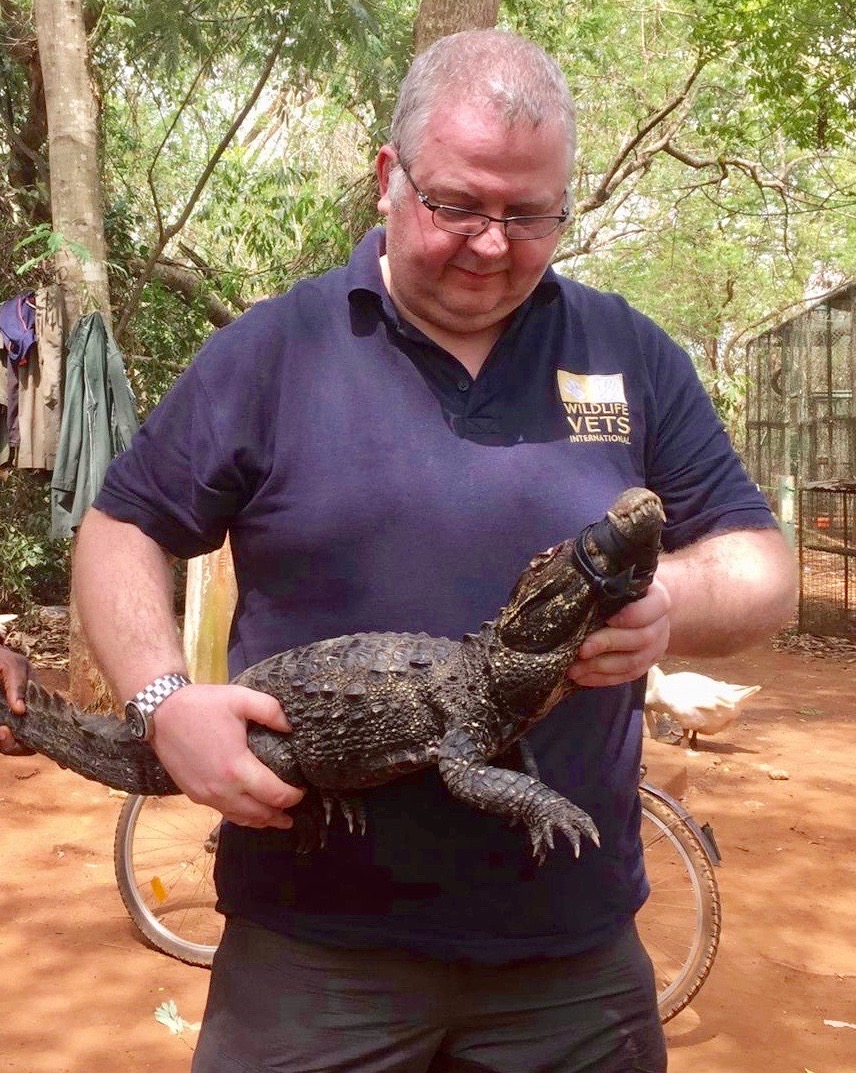
The evidence is starting to stack up that cold-stunning is going to become a big problem in the UK. We can be ahead of the curve, which is what we all want to do in conservation medicine – we want to be ready when things start to go wrong. As wildlife health professionals, we can’t directly mitigate the cause, but we can make sure coastal communities know what to do and can access help for the turtles when they get into trouble.
Stay in touch
Get news from our projects and the people using veterinary science to protect wildlife.
