.png)
+44 (0) 7508 801 099
.png)
info@wildlifevetsinternational.org

.png)
.png)



📅 Saturday 17 October 2026
📍 Symposium: DoubleTree by Hilton Brighton Metropole, Kings Road, Brighton BN1 2FU
📍 VIP Event: SeaLife Brighton (in-person only)
⏰ Symposium: 09:00 registration – 17:30
⏰ VIP event: 18:00 – 20:00
🎫 £125 (VIP Event included in the ticket)
Please note that there may be clinical photos shown during the presentation
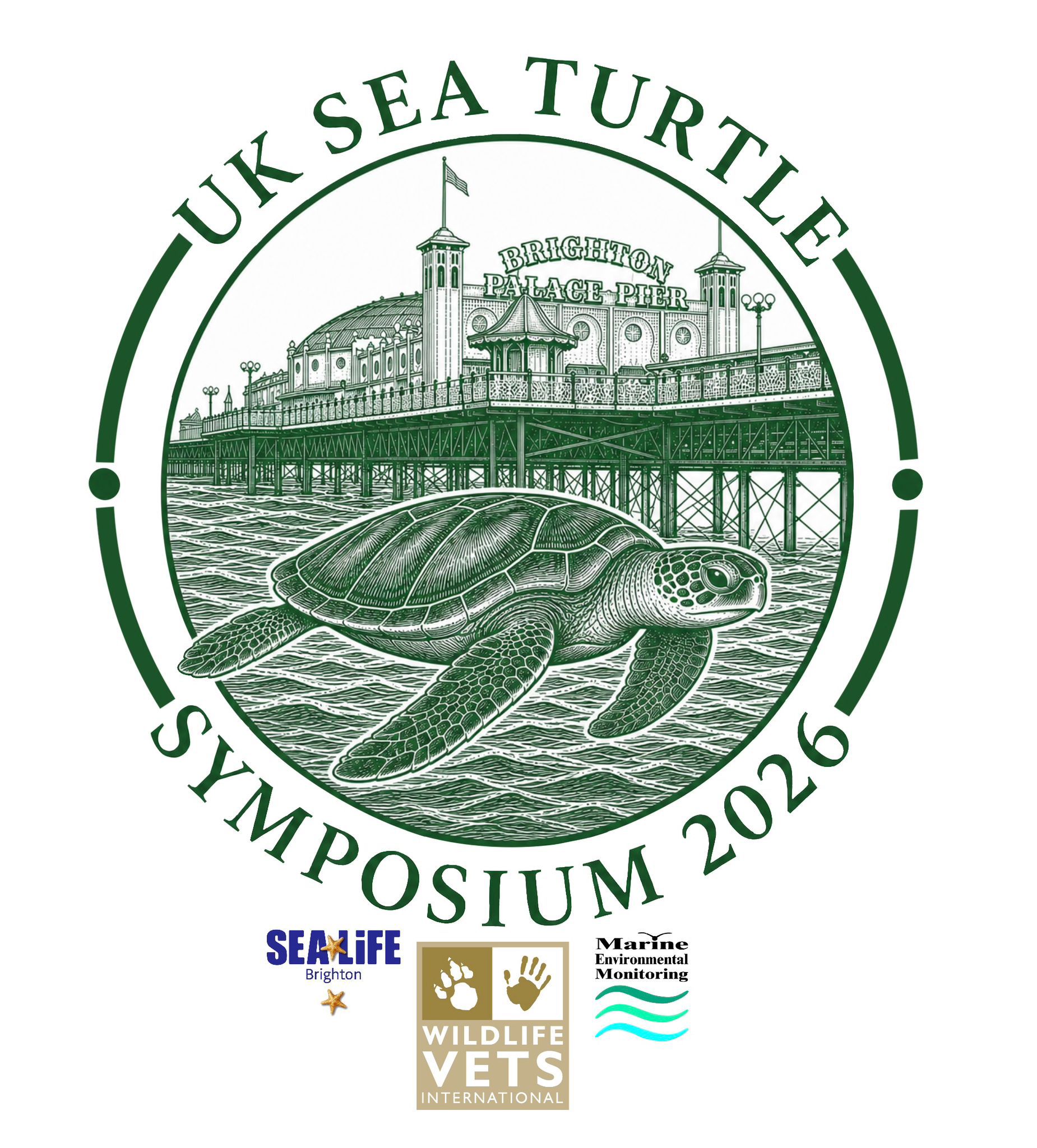
Wildlife Vets International, Sea Life Brighton and Marine Environmental Monitoring invite you to join leading experts from across the veterinary, aquarium and conservation community for a unique day dedicated to sea turtles in British waters. The day has been put together, and will be hosted by Matthew Rendle RVN, WVI Veterinary Partner.
Each year, increasing numbers of endangered sea turtles are found stranding around the UK coastline. Some are native, including the remarkable leatherback turtle, while others are tropical species carried far from home and requiring intensive rescue and rehabilitation.
Through a series of expert-led talks, discover the science, conservation and veterinary care behind these extraordinary animals. Follow the journey of a stranded turtle from initial rescue and emergency treatment through rehabilitation and, where possible, return to the wild.
The day concludes with an exclusive evening reception at Sea Life Brighton, the world’s oldest operating aquarium. Meet the speakers, continue the conversation with fellow delegates and, subject to animal welfare considerations, visit the UK’s only purpose-built sea turtle rehabilitation facility.
.png)
.png)
Brighton Station is approximately a 15–20 minute walk from Brighton Metropole. Frequent direct services operate from London Victoria, London Bridge, Gatwick Airport and many locations across the South East. Taxis are readily available outside the station.
The venue has an on-site car park accessed from St Margaret’s Place. Parking is chargeable at £29/day, at the time of writing. Brighton can be busy, particularly on weekends, so advance planning is advisable. Alternative parking options are available throughout the city.
This symposium is part of a wider project we are involved with. We want to ensure that those people who find, rescue and rehabilitate cold stunned turtles washing up on British beaches have the knowledge that they need to deal with these very sick animals.
We will achieve this by developing guidance for vets and rehabilitators, together with an events programme that will be delivered to coastal communities, including aquarium and wildlife vet communities.
Sea turtles are vital to healthy ocean ecosystems yet face escalating threats. Hard-shelled species such as loggerhead turtles are not typically found in UK waters, but are increasingly being pushed beyond their normal range by changing ocean currents thought to be linked to climate change.
When temperatures drop below 10°C, sea turtles are particularly vulnerable to ‘cold-stunning’ – becoming lethargic, they drift ashore and risk death without rapid intervention. As a result, strandings in UK waters and on beaches across the country are rising (40 in 2025 vs 12 in 2022).
| Species | Threatened Status | Partners | WVI Lead |
|---|---|---|---|
| Loggerhead turtle (Caretta caretta) | Vulnerable and decreasing | Marine Environmental Monitoring, SeaLife Brighton, The Deep, University of Liverpool | Matthew Rendle |
| Green turtle (Chelonia mydas) | Least Concerned and decreasing in the northern Atlantic | ||
| Kemp Ridley’s turtle (Lepidochelys kempii) | Critically Endangered |
WVI is a British charity which has been ensuring critical veterinary support for international wildlife and conservation projects since 2004.
We are a small organisation with minimal administrative costs but access to top quality wildlife veterinary expertise across a wide range of different species.

Sign up to get the latest WVI news about our conservation work and how you can help us delivered straight to your inbox.
Click here to read our privacy notice


.png)


.png)
.png)


.png)
